
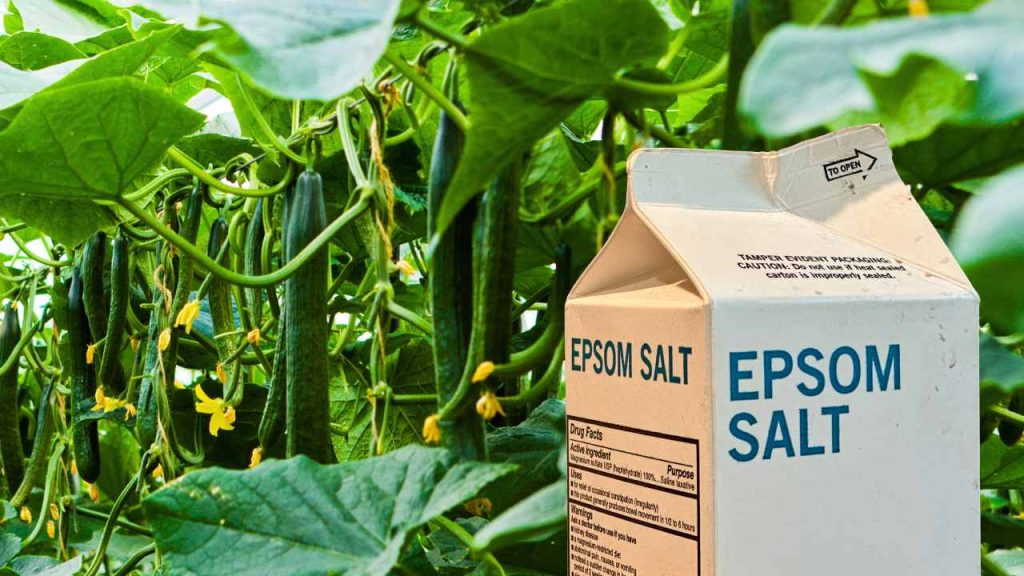
Magnesium sulfate, or Epsom salt, is a natural mineral compound that is used in gardening because it is safe, good for plant health, and easy to dissolve in water. This makes it useful for many agricultural and horticultural tasks.
Importance of Magnesium and Sulfur for Plant Growth
It is important for plants to get magnesium and sulfur in order to grow and develop properly.
For plants to make chlorophyll, enzymes to work, and take in nutrients, magnesium is very important. It is needed for photosynthesis, turning light into energy, and taking in nutrients, which keeps plants from growing slowly and getting sick. It also helps the body take in and move around important nutrients, which supports healthy growth and development.
Sulfur is very important for making proteins, making enzymes work, and keeping plants from getting diseases. It controls metabolism, makes amino acids, which are the building blocks of proteins and helps the body fight off disease.
Along with magnesium and sulfur, they help plants grow, absorb nutrients better, and stay healthy. This makes them an important part of a healthy gardening routine.
Benefits of Epsom Salt for Cucumber Plants

Epsom salt is good for cucumber plants because it helps them grow and produce more. It makes more chlorophyll, which is a green pigment that absorbs light and uses photosynthesis to turn it into energy.
Epsom salt also helps plants absorb nutrients better, making it easier for them to take in nitrogen, phosphorus, and potassium. This makes the plants healthier, helps them grow faster, and makes them more resistant to things in their environment that can hurt them. Epsom salt is an important part of taking care of cucumber plants.
Epsom salt is an important part of cucumber plant care because it helps fruits grow in a healthy way by making proteins, enzymes, and vitamins more available. Besides that, it helps the fruit make more antioxidants, which makes it healthier.
Applying Epsom salt on a regular basis stops nutrient deficiencies, like magnesium and sulfur deficiencies, which can cause leaves to turn yellow, growth to stop, and fruit production to be poor.
This preventative measure makes sure that cucumber plants get enough nutrients, which makes them healthier and less likely to have growth problems.
Identifying Magnesium Deficiency in Cucumbers
If cucumbers don’t get enough magnesium, the veins on their leaves can turn yellow, their growth can be slowed down, and they won’t make many fruits. This problem can make the older leaves turn yellow around the younger ones, which is bad for the plant’s health as a whole.
It also makes the plants make fruits that are smaller and weaker. Early detection and treatment are very important to stop further damage, keep plants healthy, and get the most cucumbers out of them.
To treat magnesium deficiency, it is important to keep an eye on the plants, make sure the soil has enough magnesium, and use foliar sprays or soil amendments as needed. Getting rid of this deficiency can make cucumber yield and fruit quality much better.
Keep Reading:
- Tips For Growing The Best Cucumbers
- The Strongest Organic Fertilizer For Tomatoes, Onions, And Cucumbers! Just 1 Ingredient
- Here Is How And Why You Should Use Yeast In Your Garden
How to Apply Epsom Salt to Cucumber Plants?
To use Epsom salt correctly, you need to do a few different things, and each one has its own steps and benefits. To put Epsom salt on cucumber plants, do the following:
Soil pH Adjustment
Cucumber plants do best in soil that is slightly acidic, between 6.0 and 7.0 on the pH scale. Soils that are too acidic may make it harder for plants to get iron, manganese, and phosphorus, which can hurt their health and growth.
Because it is acidic, Epsom salt can help lower the pH of soil by releasing magnesium and sulfate ions, which make the soil more acidic for a short time. This keeps the uptake of nutrients in check, which helps cucumber plants grow and develop. But it doesn’t work as well or last as long as sulfur or other dedicated soil amendments.
For the best growing conditions, the pH and nutrient levels of the soil must be checked often. Adding organic matter, mulching, and the right amount of water to the soil along with Epsom salt can help keep the soil’s environment balanced.
Soil Application
Add 1 cup of Epsom salt to the soil for every 100 square feet of planting space to make sure the plants can get all the nutrients they need. As the plants grow, sprinkle one tablespoon of Epsom salt around the base of each one every four to six weeks to keep the nutrient level steady.
Before you plant, mix the suggested amount into the top 6 inches of soil to make sure that nutrients are spread out evenly and are available right away.
Foliar Spray
As a foliar spray, Epsom salt can be used on cucumber plants to give them nutrients like magnesium and sulfur. Mix one to two tablespoons of Epsom salt with one gallon of water. Spray this mixture directly on the leaves early in the morning or late in the afternoon.
During the growing season, spray the plant once every two to four weeks. Be careful not to spray too much. Quick absorption of nutrients, uptake of magnesium, benefits of sulfur, and increased fruit production are some of the benefits.
But too much application can burn the leaves or throw off the balance of nutrients. Watch how the plants react and change the amount you use based on how healthy the plants are. Spraying leaves with Epsom salt can help the overall yield.
Watering with Epsom Salt Solution
One tablespoon of Epsom salt mixed with one gallon of water should be used to water cucumber plants once a month. This method makes sure that plants always have enough magnesium and sulfur, which keeps them healthy.
It keeps plants from not getting enough nutrients, which helps them grow strong and make fruit. Regular use also makes the plant stronger against stress, pests, and diseases, which makes the cucumber plants healthier and more resistant. Adding Epsom salt to the care you give your cucumber plants can help them grow faster and produce more.
Companion Planting
When you do companion planting, you put plants next to each other in a way that helps each other in different ways, like keeping pests away, making the plants grow faster, or making the food taste better.
When planted next to cucumber plants, Epsom salt can be helpful because it contains magnesium, which is needed for photosynthesis and plant health in general. In a roundabout way, it makes the soil better and helps plants take in nutrients better, which makes the plants that grow with cucumbers healthier.
Epsom salt also helps cucumber plants stay healthy, which is an indirect way that it gets rid of pests. Plants with different growth habits or nutrient needs are often paired together in companion planting, which makes better use of the soil. Additionally, cucumber plants that are healthy attract good bugs that help nearby plants.
Tips for Effective Use of Epsom Salt on Cucumber Plants
To avoid damage from the sun and leaf burn during the middle of the day, use Epsom salt solutions early in the morning or late in the afternoon. Pick a calm, cool day with mild temperatures so that the solution doesn’t evaporate too quickly and can be absorbed well.
Epsom salt can be mixed with other fertilizers to make sure that the nutrients are evenly distributed. A balanced, slow-release fertilizer and Epsom salt for magnesium will help your plants stay healthy in general.
Adding compost or manure or other organic matter can help the soil’s structure and make nutrients more available. If you don’t want to cause imbalances and hurt plant health, don’t fertilize too much.
To keep an eye on plant health and make changes to Epsom salt applications, you need to check the plant’s leaf color, growth rate, and overall vigor for signs of magnesium deficiency. Regular soil tests can also check magnesium levels and soil health.
Based on these results, you can change how often and how much Epsom salt is applied. However, it is important not to use too much, as this can cause nutrient imbalances and stop essential nutrients like calcium and potassium from being absorbed.
Stick to the recommended dosages and water deeply to keep salt from building up in the soil. If you follow these tips, you can use Epsom salt to improve cucumber plant health and productivity while minimizing possible risks.
Success Stories and Expert Opinions
Epsom salt has been found to improve cucumber plant health by preventing magnesium deficiencies and improving plant health. It helps plants make chlorophyll and grow strong, and its use as a foliar spray ensures quick absorption.
Epsom salt also contains sulfur, which is essential for protein production and plant health. Adding sulfur to the soil improves fruit quality and plant resistance to environmental stresses, making it a useful tool for sustainable crop management. Epsom salt also helps plants absorb nutrients better and resist disease, making it a valuable addition to modern farming methods.